
Take Pride
Hi Everyone, it’s Nate.
※この投稿は最初日本語版があって、その後英語版があります。※
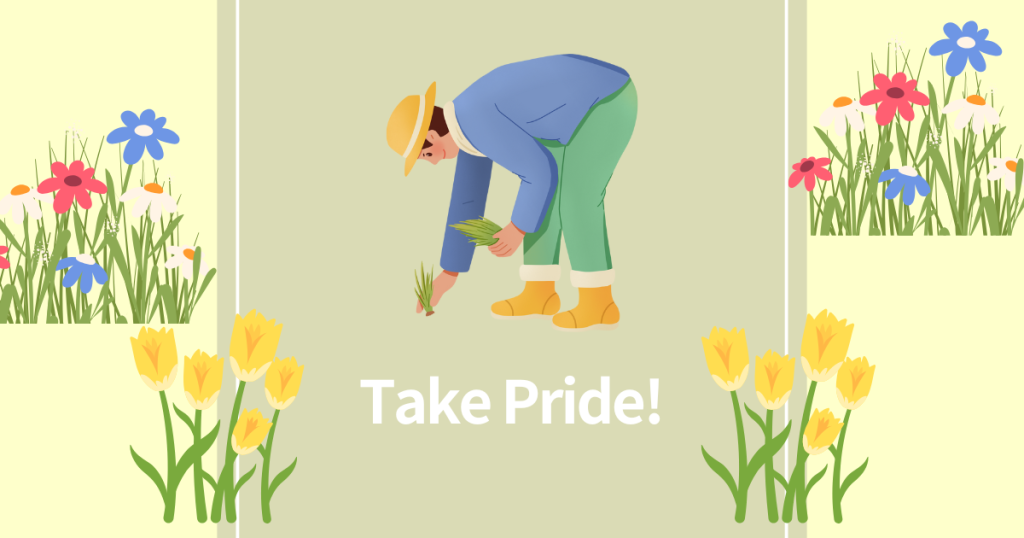
今日は夕食の材料を買いに店へ行きました。道中、いつも小さな庭の前を通ります。時々、その庭の手入れをしている年配の女性を見かけるのですが、今日もそこにいらっしゃいました。正座をして、一本一本、雑草を丁寧に手で抜いておられました。庭はとても小さく、人目をひく場所であるわけでもありません。それでも彼女は、それがとても大切なものだというように、心を込めて世話をしているのです。
僕は、このような姿勢にとても惹かれます。庭が立派だからではありません。誰かに見られているかどうか、重要だと評価されるかどうかに関係なく、自分なりの基準で向き合っているからです。
同じことは仕事にも言えると思います。世の中には、地位が低いとか、取るに足らないと見なされがちな仕事があります。しかし、その仕事をしている人が真剣に向き合い、「とりあえずこなす」のではなく、「きちんとやろう」としている姿を見ると、自然と敬意を抱いてしまいます。尊敬は職業の肩書きから生まれるものではありません。そこにどのような基準を持ち込んでいるかから生まれるのだと思います。そして、その基準によって、仕事はとても意味のあるものになるのではないでしょうか。
その逆の考え方もあります。仕事の地位が低いのだから、基準も低くていい、という発想です。国を行き来する中で、その違いをはっきりと感じることがあります。日本では、社会的に称賛されることの少ない仕事――駅の清掃やファストフード店の仕事であっても――きちんとやろうとする姿勢を目にすることが多いように思います。一方、アメリカに戻ると、近年は逆の光景が目につくようになりました。露骨な無愛想さや目に見える無関心、そして「この仕事は良い仕事ではないのだから、最低限でいい」という空気を感じることがあるのです。
もちろん、賃金や労働環境、マネジメントが重要であることは言うまでもありません。しかし、それらを理由に、「いい加減にやること」が抗議や自尊心の表現になるとは思えません。実際にはその逆で、低い基準は仕事の地位に挑戦するどころか、仕事そのものの価値を落とし、同時にそれをする人自身の価値まで落としてしまうのではないでしょうか。
僕は普段、あまり新年の目標を立てるタイプではありません。しかし、あの女性が庭の手入れをしている姿を見て、「それほど大事なことではない」と自分で決めつけてしまい、そのせいで十分に力を出していない場面が、自分にもいくつもあるのではないかと考えさせられました。結局のところ、そうした態度は、人生が本来持っている可能性や、「自分は精一杯やった」と胸を張って言える深い満足感を、自分自身から奪ってしまうだけなのだと思います。だから今年は、あの献身的に庭を手入れしていた方のことを常に心に留め、その姿勢を、できる限り多くの場面で自分の生活にも取り入れていきたいと思っています。もしかすると、思いがけず美しいものが、そこから花開くかもしれません。
————————————
Today I went to the store to buy ingredients for dinner. On the way, I always pass a small garden by the side of the road. Sometimes I see the elderly woman who takes care of it. She was there again today, sitting in seiza and carefully pulling out every single weed by hand. The garden is tiny and in an unremarkable spot, but she tends to it as if it matters deeply.
I admire that kind of care. Not because the garden is impressive, but because her standards don’t depend on whether anyone is watching or judging it as important.
The same principle applies to work. Some jobs are seen as low-status or inconsequential. But when the person doing the job takes it seriously—when they aim to do it well rather than merely get through it—it’s difficult not to respect that effort. The respect doesn’t come from the title of the job; it comes from the standard applied to it. And through that, I think it becomes very consequential.
There is also the opposite mindset: the idea that because a job is low status, low standards are acceptable. I see this contrast clearly when I move between countries. In Japan, even in work that society rarely celebrates—cleaning stations, working fast food—people often seem committed to doing the job properly. In the U.S., I’ve increasingly noticed the reverse: open rudeness, visible indifference, and a sense that minimal effort is justified because the job itself “isn’t good.”
Of course, pay, working conditions, and management matter. But none of those explain the belief that doing something poorly is a form of protest or self-respect. It isn’t. Low standards don’t challenge the status of the job—they simply make the work smaller, and the person doing it smaller along with it.
I’m not usually one for New Year’s resolutions, but seeing the lady take care of her garden made me think about all the ways I may not give it my best because I think something isn’t really that important. In the end, you are just robbing yourself of life’s full potential and the deep satisfaction of knowing you tried your hardest. So, this year I am going to keep this devoted gardener top of mind and apply her approach in as many areas of my life as I can. Maybe something unexpected and beautiful will bloom…